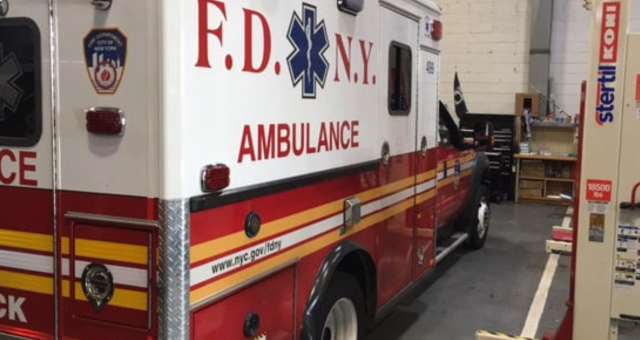
Emergency medical services in rural parts of New York are facing growing financial pressure, with providers warning that without additional funding, the system may begin to fail.
Emergency medical services in rural parts of New York are facing growing financial pressure, with providers warning that without additional funding, the system may begin to fail.
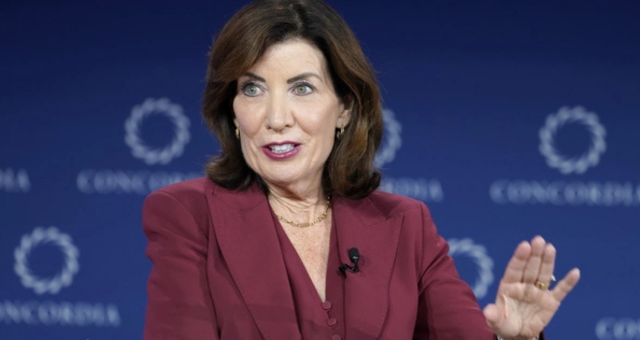
In February, Kathy Hochul released her 30-day amendments to New York’s proposed $262.7 billion state budget. Notably, the updated plan did not include changes that would preserve health coverage for hundreds of thousands of legal noncitizens enrolled in the state’s Essential Plan.

In 2026, the healthcare and health insurance system in New York is undergoing major changes that will affect hundreds of thousands of residents. Updates to public insurance programs such as Medicaid and the Essential Plan, combined with funding shifts and healthcare workforce challenges, are reshaping access to medical coverage across the state.

Medicaid plays a critical role in New York’s healthcare system, providing essential coverage to millions of residents. As one of the largest Medicaid programs in the United States, New York Medicaid offers a wide range of benefits for individuals and families with limited income.

Healthcare costs in New York State continue to rise, and policymakers are increasingly focused on how pricing practices affect patients enrolled in Medicare and Medicaid.

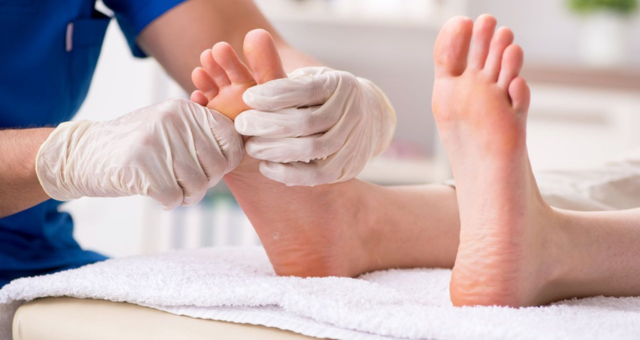
People living with diabetes face a higher risk of developing foot complications due to nerve damage and reduced circulation. When left untreated, minor injuries can quickly progress into serious conditions such as infections or diabetic foot ulcers that are slow to heal.

Managing diabetes requires careful attention to foot health. People living with diabetes often face challenges such as neuropathy, reduced sensation, and poor circulation—all of which increase the risk of serious foot complications. One effective way to protect your feet and improve daily comfort is by using diabetic insoles.

For many older adults and people with limited incomes, prescription drug costs can take up a large part of their monthly budget. Programs that offer low-cost or even $0 prescription copays have long been essential for Medicare beneficiaries. However, with the end of Medicare’s Value-Based Insurance Design (VBID) model in 2025, many people are wondering how their drug costs may change.

Each year, about one in three adults over age 65 experiences a fall, according to the National Institute on Aging. With changes in balance, vision, and muscle strength, bathrooms can be especially dangerous for seniors. A simple fall can cause serious injuries and impact independence — but small home modifications can make a big difference in preventing accidents.

If your mailbox has been filling up lately with Medicare plan offers, you’re not alone. The Medicare Annual Enrollment Period (AEP) runs from October 15 through December 7, and it’s your once-a-year opportunity to review and, if needed, change your Medicare coverage.